Seed Starting Success: How to Grow Plants with Strong Germination Rates
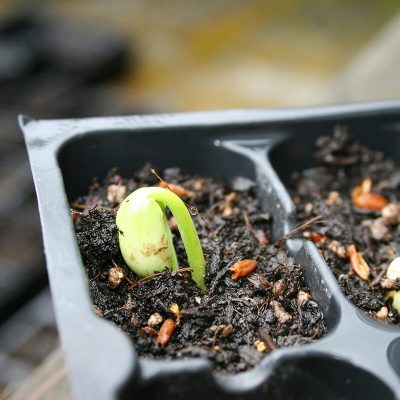
There’s nothing more rewarding than starting plants from seeds. You can control every growth stage and watch plants flourish before your eyes. However, seed starting isn’t always easy. With shorter Canadian growing seasons, success in this early stage makes all the difference. In this blog, we’ll explore ways to boost seed germination rates and provide troubleshooting tips to help you overcome common challenges.
Why Seed Germination Success Matters
While you can purchase seedlings and young plants, knowing how to sprout seeds reliably can enhance your gardening experience in many ways. Higher germination rates translate to more seedlings from the same seed pack, ultimately saving time and money. Germinating more planting seeds also sets you up for healthier plants while giving you several backup options.
When planting from seed, you want to give yourself as many opportunities to transplant a healthy seedling later. Successful seed starting lets you do just that, ensuring you have every chance to cultivate vigorous, high-yielding plants during the shorter growing season.
Even hydroponic seeds that grow in more controlled environments need careful handling to reach their full potential. No matter your setup, germination success means less re-sowing and more time nurturing robust seedlings for a more successful harvest.
High-Quality Planting Seeds: Increasing Your Odds of Success
The quality of the planting seeds matters, no matter the growing medium. Hydroponic seeds typically have higher germination rates already, but poor quality can still lead to disappointing results.
Here are a few things to consider when choosing seeds:
- Freshness: Fresher seeds are always better. Older seed packets often have lower germination rates, even for hydroponic seeds. Check expiration dates before planting.
- Supplier: Stick with reputable seed suppliers known for quality and reliability.
- Size: Typically, larger seeds have higher germination success rates because they contain more stored nutrients.
- Thickness: Seeds with thicker coats often take longer to germinate, resulting in a higher risk of failure. Choose thick-walled seeds for easier seed starting.
- Preparation Requirements: Some seeds require additional preparation, such as soaking, scarification, or stratification. Those requirements create more room for error.
- Disease: Avoid starting any seed that looks damaged, moldy, or discolored, as they could contain pathogens that impact germination success.
Enhancing the Potting Mix or Growing Medium
Your potting mix or growing medium also impacts germination success. Follow these tips:
- Keep It Sterile: Use sterile soils treated to eliminate pathogens and microorganisms that could rot seeds before they start.
- Use Lighter Mixes: Fine, loose textures allow delicate seedlings to emerge without much resistance.
- Amend Your Potting Soil: Incorporate additives like perlite, vermiculite or coco coir to help seeds breathe and improve drainage.
- Provide Optimal Support: For hydroponic seeds, use a supportive growing medium like rock wool or coco coir.
Understanding Ideal Seed Starting Conditions
In addition to choosing the right potting mix, you must maintain a carefully balanced environment for successful germination.
- Temperature: Seed starting requires warm conditions between 18 and 24 degrees Celsius (65 to 75 degrees Fahrenheit).
- Light: Light isn’t necessary for germination, but once seedlings emerge, they need 12 to 16 hours of bright light to continue growing.
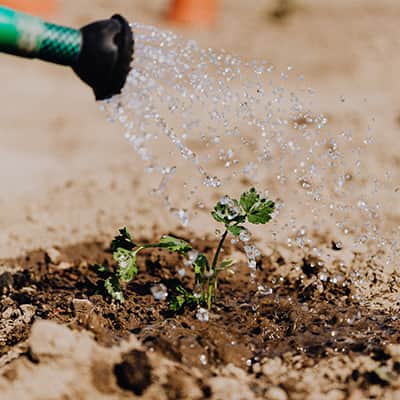
- Moisture: Potting mix and growing medium must remain moist but not soggy. Misting seeds regularly can help prevent them from drying out while preventing waterlogging.
- Humidity: Using a plastic dome will improve water detention and humidity levels above 75 percent.
For germination success, consistency is key. Monitor conditions regularly to keep them stable.
Troubleshooting Common Seed Starting Issues
When planting seeds, many things can go wrong. Here are a few issues you might encounter:
- Sprout Failure: If seeds fail to sprout, check temperature, humidity, and moisture levels. It’s also a good idea to check the expiration date of the planting seeds and the condition of the soil. Compacted soil can prevent seeds from emerging and affect moisture penetration.
- Damping Off: Fungal issues and disease can develop when seeds start in waterlogged soil or growing medium with poor aeration.
- Crusting: Crusted-over soil indicated a lack of moisture. Mist your potting mix more frequently to ensure it stays properly hydrated.
- Slower Germination: Some seeds take longer to germinate. That’s normal. However, you should also check whether the seeds require additional steps, such as soaking or stratification.
- Water Stagnation: When sprouting hydroponic seeds, water stagnation can cause seed rot and germination failure.
Planting seeds can be intimidating even for seasoned gardeners. While seed starting does require more careful planning and a vigilant eye, seeing those sprouts break through makes it all worth it. Follow our guide to improve germination rates, and you’ll have plenty of strong, healthy seedlings ready to conquer the growing season.