Nutrient Timing: When Should You Switch Plant Nutrients for Optimal Growth?
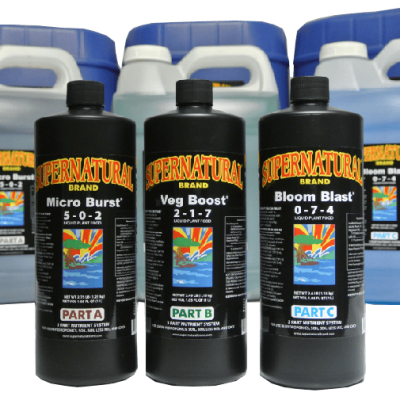
All plants require nutrients to grow, but what they need varies at different stages of growth. Success in your garden requires careful timing, balancing plant nutrients to give crops what they need at just the right time. Whether growing in containers, in a plot outside, or in a grow kit system, knowing how to adjust and switch nutrients for plants makes all the difference. In this blog, you’ll learn how to grow plants that are healthy and productive with precise nutrient timing.
How to Grow Plants: Understanding Growth Stages
It doesn’t matter whether you’re trying to optimize hydroponic growth or soil growth. Knowing how to switch nutrients requires understanding the plant growth cycle and how nutrients affect every stage. While exact cycles vary by crop, most vegetables, herbs, and flowering plants follow a similar growth pattern.
- Germination: Seeds have all the stored energy they need to germinate and produce their first set of leaves, so no additional nutrients for plants are necessary.
- Seedling Stage: After true leaves develop, light nutrient uptake begins. At this stage, seedlings need highly bioavailable, balanced nutrient formulas.
- Vegetative Growth: Rapid leaf and stem growth increases the demand for nitrogen. For strong soil and hydroponic growth, nitrogen-forward formulas are ideal.
- Pre-Flowering Transition: Here’s where plants direct their energy to prepare for budding. Nitrogen demand stabilizes, but plants will require more phosphorus.
- Flowering and Fruiting: As plants flower, the need for potassium and phosphorus increases. Nutrients for plants designed for flowering are ideal, providing crops with plenty of fuel to produce as many flowers and fruits as possible.
Optimizing Growth with Strategic Nutrient Timing
Proper nutrient timing makes a difference. The goal is to provide the precise plant nutrients crops need at every point in their growth cycle, switching formulas based on a plant’s needs at the moment. Feeding according to the growth stage supports stronger development and can help prevent common issues caused by overfeeding and unnecessary fertilization.
Apply nitrogen-rich formulations during the vegetative stage as plants establish and approach maturity. Once plants start producing buds, switch to a phosphorus-rich product. Phosphorus is a key factor in transferring energy and triggering metabolic processes, pushing plants to produce larger, denser, and more potent buds. As flowers open, focus on potassium. Potassium regulates water movement and nutrient transport, ensuring that plants move energy towards developing flowers. When done correctly, potassium can lead to healthier blooms and facilitate the transition from flower to fruit.
Telltale Signs It’s Time to Switch Plant Nutrients
Even with a carefully scheduled feeding plan in place, plants often signal when their nutrient needs are shifting. Pay attention to the following cues to adjust plant nutrients accordingly.
- Growth Pattern Changes: When plants stop growing vertically and leaf production slows, it’s signaling a transition to bud development. That’s when you should switch to nutrients for plants that contain more potassium.
- Yellowing Leaves: Yellowing often indicates a nitrogen deficiency, especially during the vegetative stage. It signals a need for more nitrogen-rich feedings.
- Leaf Burn: Conversely, leaf burn points to excessive nitrogen. It may be time to shift nutrient ratios, ease up on feedings, or prepare for a transition.
- Weak Flowering: If blooms are small or fruits fail to set, the plant may not have enough potassium and phosphorus. It’s time to switch formulas and focus on blooming or flowering products.
- Salt Buildup: During hydroponic growth, salt buildup and EC instability typically mean that there are nutrient deficiencies. Perform additional tests to determine which nutrients the solution is lacking, and consider flushing the solution and reservoir.
Nutrients for Plants: Scheduling the Switch
Once you understand growth stages and recognize the signs of change, you need to create a plant nutrient schedule that encourages consistent growth. As mentioned earlier, always plan around the growth cycle and keep an eye on the plant’s health to spot signs it’s time to switch.
When that time comes, don’t abruptly swap nutrients for plants. Blend old and new nutrients over one or two feedings to reduce plant stress. For hydroponic growth, monitor pH levels and EC readings when switching formulas. As always, adjust based on how your crops respond.
Exact scheduling and nutrient timing will vary from crop to crop. Research plant varieties in your garden to understand growth patterns and build a structured but flexible schedule to respond to developmental milestones without over- or under-feeding.
To learn how to grow plants successfully, you must understand what your crops need and when they need it. Beyond water and lights, nutrients for plants can make or break your yields. Follow our tips, study plants closely, and always be ready to switch nutrients as your plants transition from one growth stage to the next. With a little know-how and preparation, you can easily avoid deficiencies, reduce stress, and ensure every crop flourishes.