How to Protect Your Crop Production From Summer Heat Stress
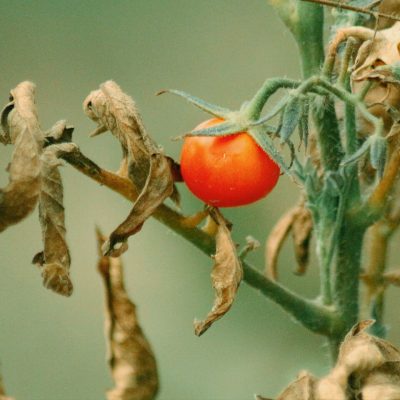
Canada has a short, but sometimes intense, summer season. Heat waves from July through early September can put significant stress on plants, reducing yields and creating many challenges for summer crop production. Understanding heat stress and its impact on plants can help Canadian growers like you improve resilience and keep gardens thriving all season long. Read on for heat stress solutions that count.
Heat Stress 101: The Impact of Not Managing Plant Temperature
Heat stress occurs when temperatures rise above a plant’s optimal growing range. During periods of excessive heat, plants lose more water than their roots can replace, disrupting several processes needed for healthy growth and summer crop production.
On the cellular level, heat stress can halt or severely reduce the efficiency of photosynthesis. It can also interfere with crucial enzyme activity that regulates plant metabolism. Plants can activate heat shock proteins to protect themselves. However, these heat stress solutions are only temporary, and repeated or prolonged exposure can overwhelm them.
When that happens, plants focus less on summer crop production and more on survival. The result is reduced productivity, lower yields, and diminished crop quality across the garden.
Any plant can suffer from heat stress, but some crops are more sensitive to the Canadian summer heat than others. The following plants are notorious for experiencing growth issues during midsummer heat waves.
- Leafy greens (spinach, lettuce, and arugula)
- Cool-season herbs (parsley and cilantro)
- Peas and cool-weather legumes
- Brassicas (broccoli and kale)
Managing Plant Temperature Before Hot Weather Arrives
The best approach to prevent heat stress is to create growing conditions that stabilize and protect plants before temperatures rise.
- Strategic Shading: One of the easiest heat stress solutions is taking advantage of shade. Plant crops in an area that receives afternoon shade to reduce sun exposure and keep temperatures cool. You can also utilize shade cloth to create shade where you need it.
- Using Containers and Raised Beds: Consider using containers for versatility. Containers allow you to move plants out of direct sun as needed. Meanwhile, light-colored pots and raised beds reduce heat absorption to keep roots cool.
- Mulching: Mulch can insulate soil, reduce heat absorption, and slow moisture loss around the critical root zone. Traditional wood chips work, but alternatives like straw or shredded leaves can break down faster and deliver high quality nutrients over time.
- Watering Consistency: Be mindful of when you water your crops. Hydrating plants early in the morning promotes more efficient water uptake, ensuring crops are well hydrated before daytime temperatures rise.
- Smart Spacing: Avoid overcrowding plants. Good air circulation reduces trapped heat around foliage and mitigates the risk of pests and diseases.
Another way to avoid problems during the summer season is to stick to heat tolerant plants. Popular crops like okra and sweet potato are naturally tolerant of higher temperatures. However, you can also find several varieties of garden favorites that are better adapted to summer heat. Look for heat tolerant plants, sticking with cultivars that are tough enough to outlast heat waves.
Heat Stress Solutions to Protect Plants During Heat Waves
During the summer season, excessive heat can cause plants to move from mild stress to active decline quickly. Even well-prepared gardens can struggle during the unexpected heat waves. In these moments, quick action can reduce damage and promote healthy recovery. Here are some heat stress solutions that focus on stabilization to help you avoid widespread issues during heat events.
- Identifying Signs of Heat Stress: Telltale signs of heat stress include wilting during the hottest parts of the day, scorching, and yellowing. Sustained high temperatures can also cause stunted growth and flower drop.
- Adjusting Watering Practices: During heat events, increase water frequency. Focus on early-morning irrigation, watering crops deeply to retain moisture and reduce evaporation.
- Supporting Plants with Nutrients: Avoid fertilizing plants during heat events. Stress limits nutrient uptake, and over-fertilization can do more harm than good. Provide slow-release, high quality nutrients at the start of summer, before heat waves, to maintain balance.
- Using Additives: Certain additives can help plants regulate water use and promote cellular recovery.
- Post-Heat Recovery: After periods of excessive heat, give plants time to recover. Avoid overwatering and overcorrection. Instead, focus on consistency. Remove damaged foliage and redirect a plant’s energy to new growth.
Maintaining Strong Summer Crop Production
Heat stress doesn’t have to overtake your garden this season. Focus on managing plant temperatures from the start. Choose heat tolerant plants, take advantage of shade, use mulch, and water crops consistently.
Before heat waves arrive, feed your crops pure, high quality nutrients. Balanced nutrients and early feedings can stimulate strong root development, promoting efficient water uptake and steady growth, even during periods of intense heat. Take the time to meet your garden’s needs and promote strong early growth, and you’ll have no issue beating the heat.