How to Transition From Summer to Fall Growing in a Canadian Climate
The move from summer to fall is one of the most critical in Canada’s growing calendar. As fall approaches, temperatures drop and daylight hours shorten. To move seamlessly from outdoor gardening to indoor growing, growers like you must adapt. In this blog post, we’ll cover how to adjust your setup, refocus your care routine, and change your growing strategies as you transition to fall gardening.
Understanding the Summer to Fall Gardening Shift in Canada
Around late August, major changes occur throughout Canada. Temperatures can cool and days get shorter, forcing plants to adjust. Plants respond by altering their nutrient uptake and development, ultimately influencing bloom production, fruit development, and harvest timing.
Proper preparation can ease the transition, but many growers ignore the changes. Thus, this transitional period is often where gardeners lose the most yield. Reduced sunlight, cooler nights, and changes in humidity can significantly slow growth and increase plant stress, leading to poor production.
A successful summer-to-fall transition is more complex than most realize. Instead of simply asking, “When should I move my plants indoors?” you need to think about how you’ll create a brand-new growing environment that overcomes the challenges of fall. Success requires careful planning, efficient indoor growing systems, and thoughtful changes to routine plant care.
A Practical Guide to Moving Plants to Indoor Growing Systems
So, when should I move my plants indoors?
Timing is one of the most important factors when transitioning to indoor growing systems. Waiting too long will expose crops to unnecessary stress. Meanwhile, moving plants too early can reduce natural growing time. The right time to relocate plants depends on where you’re growing.
The transition window can change from year to year, so the key is to monitor seasonal signals.
- Coastal Regions: Fall gardening temperatures are milder in coastal regions. However, growers need to prepare to move plants when nights become consistently cooler and days become wetter.
- Central Canada: Most growers in Central Canada prepare to move indoors in late summer or early fall. This region receives the first frost in September or October, so it’s best to start using indoor growing equipment well before then.
- Prairie and Northern Regions: First frosts typically occur in September, making the transition window shorter. Gardeners need to prepare indoor growing systems and move plants early in the fall season as nights become consistently cooler.
Before bringing plants indoors, check for pests and diseases. Clean growing equipment thoroughly and evaluate plant health. The goal during this transition is to allow plants to acclimatize to the new environment. Avoid sudden changes.
Gradually expose plants to your indoor growing space. Start with allowing them to grow indoors for a few hours a day, slowly increasing indoor time over the course of a week. This slow approach helps plants adapt to changes in lighting, temperature, and air flow. As always, monitor plant health and respond accordingly.
Plant Nutrients and Growing Equipment: How to Adjust Your Approach
Moving plants indoors for fall gardening involves more than changing their location. Success requires you to adjust every aspect of the environment and care routine.
- Lighting: Supplemental lighting becomes necessary as natural daylight hours decrease. Set grow lights on a timer to create consistency and support production.
- Temperature Control: Stable temperatures are key. Heating mats and temperature-control systems can help maintain a stable environment.
- Nutrients: With the cooler temperatures, plants absorb and use nutrients differently. Consider using additives and pure plant nutrients to support your crops during the transition. Super Boost and Ultimate Thrive can help maintain a strong root environment while promoting abundant growth.
- Humidity Management: Fall weather can create moisture challenges. Monitor humidity levels and use growing equipment to stabilize the environment. That may involve adding moisture to the air or providing more ventilation.
Lighting schedules, watering routines, and feeding all need to change after the transition. Take time to prepare your indoor growing systems before the move, focusing on stability to help your plants flourish despite the weather outside.
Setting Yourself Up for Fall Gardening Success
The right indoor growing systems and pure plant nutrients can help you overcome the challenges of fall. When done right, a successful transition can extend the growing season, paving the way to impressive productivity.
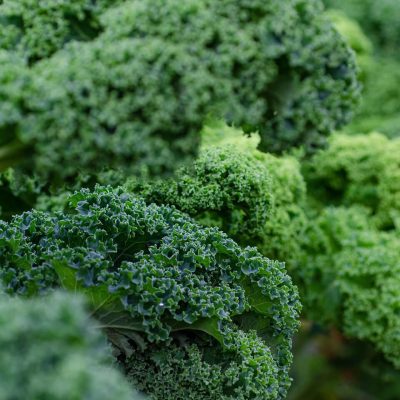
If you’re looking for new crops to grow, you have plenty of great options. Leafy greens, herbs, and cool-season vegetables, such as kale and broccoli, can thrive in the right indoor setup. All it takes is the right equipment and a strategic approach.
Supernatural Brand offers several products that can help you ease into fall gardening without compromising plant health, crop quality, or yield.